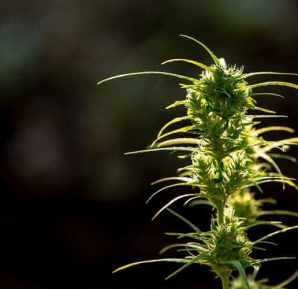


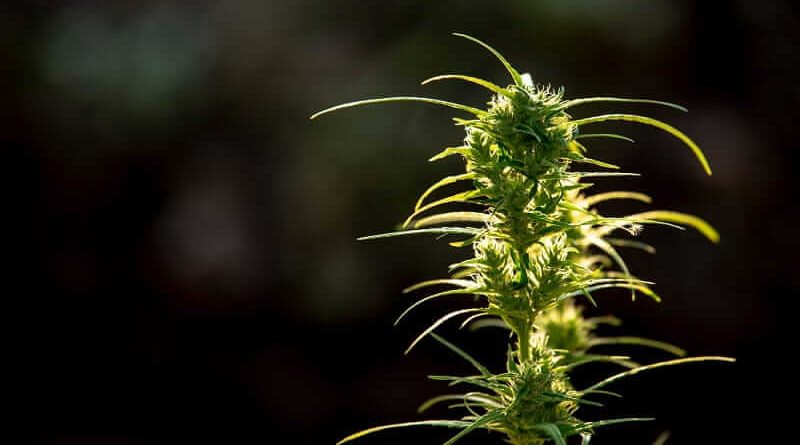
In the previous article, we discussed two major strains of cannabis—cannabis indica and cannabis sativa. The third strain, which is less talked about, is cannabis ruderalis. Unlike the other two strains, which originated in Asia, cannabis ruderalis is indigenous to Russia and some parts of Europe.
A unique species
Whether cannabis ruderalis is a unique species or not is debated. Other scientists hold that it’s an offshoot of cannabis sativa. Still others believe Ruderalis is a subspecies of Cannabis indica; they have reasons to believe this, and we’ll discuss these reasons later. The strain has a very low THC count—considerably lower than the indica and sativa strains.
The etymological origin
Before we understand the origin of ruderalis, let us first get familiar with what “ruderalis” means. The word “ruderalis” came from the word “ruderal,” which references a kind of plant species whose growth is not inhibited by harsh weather conditions. Because cannabis indica grows in a harsh climate, a group of scientists opine that ruderalis shares the same taxonomic category with indica.
The regional origin
Central Russia is the origin of the ruderalis cannabis strain. Ruderalis has many sub-strains. Central Russia has landscapes and terrains that are suitable for the growth of wild and small plants. The maturation time can be up to seven weeks.
Ruderalis is an autoflowering strain
Ruderalis is a highly favored strain among growers operating in the CBD oil market, as well as consumers. Consumers love it because it has less THC in it; hence, it doesn’t make them unnaturally high. However, cannabis addicts are not fond of ruderalis for this very same reason. Growers love ruderalis for its autoflowering nature.
Autoflowering strains don’t require excessive exposure to light for 12-18 hours. Once the seed is planted, the shrub matures within a month. It saves costs for growers, as they don’t have to invest in expensive HID lamps. Because it’s an autoflowering strain, Ruderalis is often called the true weed. Weed grows everywhere, even in harsh and unsustainable conditions.
Growth cycle
Its life cycle, however, is a bit longer. Life cycle, in this context, means the entire cycle of being a seed to engender seeds. Cannabis ruderalis has a life cycle of 12-14 weeks. Most growers, however, report that the strain completes its life cycle in 10 weeks.
It’s easy to detach the seeds from the plant, and the plant can survive an entire season in frozen ground. During this time, its growth is stopped. Once the weather conditions become normal again, the plant resumes its growth. The seeds are not only durable enough—they survive despite their shells being cracked open after being inadvertently stomped by humans or feral animals—but also germinate by being walked on.
Chemical compounds
However, the arrangement of the compounds and the ratio in which these compounds are present are different. It’s already been mentioned that ruderalis has very low THC in it. CBD, or cannabidiol, makes up 40% of the extract. That’s why ruderalis is popular in the medical community.
Cannabis ruderalis is a hybrid agent. Those who breed one cannabis strain with another take a liking to ruderalis. Cannabis indica, for example, is laden with THC. It does offer medical benefits, but it also induces a high feeling that many consumers dislike. But when an indica strain is bred with a ruderalis strain, THC is either eliminated or reduced to almost zero percent. The hybrid doesn’t cause a high feeling; it only relieves stress and medical ailments like pain and inflammation.
Hybridization
The growth cycle and autoflowering affect the hybridization of cannabis ruderalis. Growers show interest in hybridization for two reasons: it’s economical (limited light cycle exposure), and the quality of the hybrid strains is superior.
Sativa strains have less than 0.3 percent THC. So hybridization almost eliminates THC and only cures health ailments.
Popular ruderalis hybrid strains
Here are three popular Ruderalis hybrid strains:
Amnesia Haze Automatic:
The strain matures in just 10 weeks. It has two versions. The autoflowering version is a sativa-dominant strain.
Royal dwarf:
This is another sativa-heavy strain. The plant grows within just nine weeks, and its buds are fairly tight. Its height is quite low—only 60 cm.
Northern Light Auto:
This is an indica favorite strain. It has THC content up to 14% and relatively low CBD content. It is used mainly for recreational purposes.
There are plenty of other ruderalis hybrid strains out there. The ones mentioned above are among the most popular ones.
Conclusion
Ruderalis may not have usage in the fiber industry or for recreation, but its autoflowering properties and low THC content make it popular in the medical community, and growers show interest in cultivating it.