Category: Marijuana

  • Marijuana and Dementia: Understanding the Potential Benefits and Risks
    Marijuana and Dementia: Understanding the Potential Benefits and Risks

    Dementia is becoming a growing concern, especially in aging populations. According to research published by the NIH, more than 6 million people are currently living with dementia in the United States alone, and the number is expected to rise significantly in the coming decades.

    With the increasing number of dementia cases, there is a need to explore new ways to manage symptoms and improve the quality of life. This is one of the primary reasons why conversations around marijuana and dementia have gained attention in recent years.

    Understanding Dementia and Its Impact

    Dementia is a group of conditions that affect memory, thinking, and behavior. It can interfere with daily life, making even simple tasks challenging. Alzheimer’s disease is the most common form, but there are several others.

    Recent research suggests that the situation may become even more serious in the future. Studies project that the number of new dementia cases in the U.S. could nearly double from about 514,000 cases per year in 2020 to around 1 million per year by 2060.

    So, more researchers are studying cannabis-based treatments to find an alternative solution to this growing issue.

    Does Cannabis Help with Dementia?

    When people ask, “Does cannabis help with dementia?” The answer isn’t simple.

    Some early research suggests that cannabis contains certain active compounds like CBD and THC, which may help manage specific symptoms rather than the condition itself. For example, patients with dementia often experience agitation, anxiety, sleep disturbances, and restlessness.

    However, it’s important to understand that cannabis does not cure dementia. At best, it may provide limited support for symptom management, and even that varies from person to person.

    CBD and Dementia

    When people think about using cannabis for medical purposes, they often start with CBD. Interest in CBD has grown because CBD does not produce the “high” associated with marijuana.

    Studies suggest that CBD may help reduce anxiety, improve sleep, and ease agitation in certain patients. These effects can be helpful for both individuals with dementia and their caregivers, especially in later stages of the condition when behavioral symptoms become more challenging.

    THC for Dementia: Benefits and Risks

    THC, on the other hand, is the compound responsible for the psychoactive effects of cannabis. The use of THC is more complex and often debated.

    In some cases, THC may help to relieve a few symptoms like agitation and sleep disturbances, just like CBD. However, these potential benefits come with important risks. THC can affect memory, increase confusion, and sometimes lead to dizziness or disorientation. These effects can be especially concerning for someone already dealing with cognitive decline.

    Because of this, THC is usually used with caution, particularly in older adults or those in more advanced stages of dementia.

    Should Patients Consider Medical Marijuana for Dementia?

    In most patients, medical marijuana for dementia is only considered after other treatments have been tried and haven’t worked well enough. Doctors may look at it as an option for patients who are struggling with persistent symptoms that are difficult to manage through standard medications.

    The doctor evaluates the patient and decides the dosage depending on the condition. Families and caregivers are typically involved in the decision, since dementia patients may not be able to communicate how the recommended dosage and treatment are affecting them.

    What Caregivers and Families Should Keep in Mind

    For many families, managing dementia is not just about treatment, but it is also about improving day-to-day comfort and quality of life. When considering options like cannabis, it’s important to focus on what works best for the individual rather than expecting a one-size-fits-all solution. Dementia affects people differently, and responses to treatments can vary just as much.

    Caregivers should also closely monitor changes in behavior, mood, and overall well-being, depending on the prescribed treatment. Even small improvements, such as better sleep or reduced agitation, can make a meaningful difference. At the same time, any signs of increased confusion or discomfort should not be ignored. Open communication with healthcare providers and careful observation at home are key to making informed decisions.

    Final Thoughts

    Marijuana and dementia remain a complex and evolving topic. While certain compounds like CBD may offer some relief from anxiety or sleep issues, the overall effects of cannabis can vary widely and are not fully understood. THC, in particular, may pose risks that need careful consideration. Most studies so far are small and short-term, so conclusions remain limited.

    As dementia continues to affect millions of people, the interest in alternative approaches like cannabis is likely to grow. However, it is important to approach this option with caution and realistic expectations. Cannabis is not a cure, and its role is currently limited to managing symptoms in specific cases.

  • A Detailed Guide on Medical Marijuana and the Diseases It Treats
    A Detailed Guide on Medical Marijuana and the Diseases It Treats

    Marijuana could very well be the next holy grail in medical science. Several states in the United States are currently passing laws to legitimize their use.

    Contrary to what you have been led to believe—by the media and by pop culture—most marijuana users are not jobless weirdos with dreadlocks. They are normal people like you and me, with chronic or undiagnosed health conditions.

    If this comes as a shocker, here’s a quick rundown of the Market for medical marijuana

    A growing interest in medical marijuana has breathed new life into the cannabis market. In 2016, its sales captured more than 70% of the cannabis market.

    Take a look at the infographic below:

    Even though its share in the overall cannabis market is projected to decrease by 2025, it will still be a billion-dollar industry.

    Why do people use it?

    According to Barth Wilsey, MD, and a pain medicine specialist at the University of California Davis Medical Center, the number one reason people are showing interest in medical marijuana is its effectiveness in treating pain.

    It could be a normal headache treatable by OTC medicine, a severe pain arising from a disease like cancer, a chronic and long-term pain associated with glaucoma, or even nerve pain due to injuries or mismanaged surgery; medical marijuana can lessen it. Trials have found it to be effective against all kinds of pain.

    Doctors are hesitant

    Doctors in the US are hesitant to prescribe medical marijuana, partly due to it still being under trial and its usefulness being backed more by anecdotal evidence and less by clinical studies, and partly because people often abuse it for recreational purposes. Normally, they prescribe it only when the patient is suffering from excruciating pain. It blocks the neurological pathways and pain receptors, which causes the patient to feel relaxed, and the sensation of pain slowly fades away.

    Painkillers are often prescribed after big surgeries or accidents where the patient is unable to handle the pain. Painkillers are infamous for the side effects they cause, which is why many people are turning to medical marijuana, as it is a safe alternative to painkillers.

    Marijuana card

    If you live in a state where medical marijuana is legal and your doctor thinks that it would help you, you can get a marijuana card. Acquiring the card means being put on a list of legitimate buyers. It allows you to buy marijuana from an authorized seller, known as the dispensary.

    Treatments where it’s effective

    Studies show that medical cannabis is effective in the treatment of the following conditions:

    • Muscle spasms caused by multiple sclerosis
    • Nausea from chemotherapy
    • Poor appetite and weight loss caused by chronic illness, such as HIV, or nerve pain
    • Seizure disorders
    • Crohn’s disease

    If you are curious to know what makes medical cannabis so effective against a broad spectrum of diseases and health conditions, the answer is

    THC and CBD

    THC and CBD are both cannabinoids. THC is responsible for causing the high that stoners are so fond of. CBD, on the other hand, makes the consumer calm and composed. Both cannabinoids are effective against ailments and pain. The FDA has allowed the sale of marijuana strains with high THC percentages, chiefly to treat nausea and improve appetite.

    The human body has the ability to produce neurochemicals to soothe pain and inflammation. Marijuana triggers the body’s innate healing abilities. The cannabidiols mentioned before bind to specific areas in the brain and release neurotransmitting signals that numb the feeling of pain.

    How it is consumed

    There are several ways medical marijuana is consumed. Consumption methods include

    • Smoking/Vaping (heated until the ingredients are released, but no smoke is formed)
    • Using as salves/topical
    • Eating (mainly in the form of cookies or candy)
    • Taken as a liquid extract (liquid form)

    All consumption techniques are effective, but not equally effective. For example, smoking is more effective than using it topically.

    The side effects

    At this point, you must be curious to know whether medical marijuana has any side effects. It does. However, the side effects are rarely fatal, especially if taken in low amounts. Common side effects include

    • Dry mouth, and
    • Fatigue
    • Dizziness
    • Drowsiness
    • Short-term memory loss
    • Paranoia

    Fortunately, marijuana’s side effects don’t last long. Some people reported serious side effects like severe anxiety and psychosis. But such incidents are rare, and those people were found to be using other strong psychedelics. Some researchers tried to associate long-term cannabis usage with schizophrenia and the loss of IQ, especially in adolescents. But they failed to produce enough evidence to corroborate what they claimed.

    It can be said in their defense that medical marijuana is not regularly monitored by the FDA, which means shoddy manufacturers and distributors can flood the market with potentially harmful, non-FDA-approved, addictive substances, keeping consumers completely in the dark about the purity and potency of the stuff they are consuming.

  • The Benefits of Growing Marijuana at Home
    The Benefits of Growing Marijuana at Home

    Where there are zillions of benefits of using Marijuana, the advantages of growing marijuana at home are a wonder list. If you’re thinking about growing marijuana, there are a few things you should keep in mind. First and foremost, it’s important to understand the law in your area.

    Growing marijuana is still illegal in many places, so make sure you know the risks before getting started.

    Getting Started

    Once you’ve done your research and you’re ready to start growing, there are a few things you’ll need to know about cannabis to get started. You’ll need some basic supplies like pots, soil, and seeds or clones.

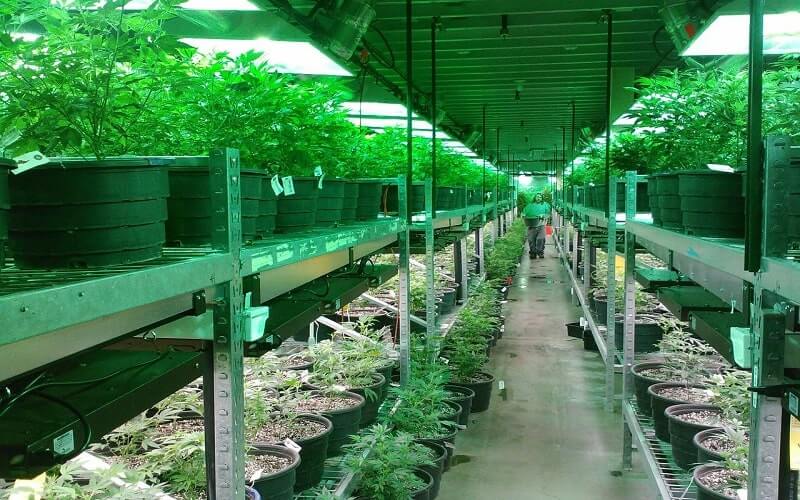
    You’ll also need to set up a grow space—somewhere with good ventilation and plenty of light.

    If you’re growing indoors, you’ll need to invest in some grow lights. These can be expensive, but they’re worth it if you want to get a good yield.

    Setting the Stage

    Once you have your grow space set up and your plants growing, you’ll need to keep an eye on them and make sure they’re getting enough water and light.

    Growing marijuana can be a lot of work, but it’s also very rewarding. Seeing your plants grow and produce buds is a great feeling, and knowing that you grew it yourself makes it even better.

    Advantages of Domestic Cultivation of Marijuana

    For many people, the cost of marijuana can be a prohibitive factor when it comes to using the drug therapeutically.

    However, growing marijuana at home can be a great way to save money while still reaping the benefits of the plant.

    Not only does home-grown marijuana tend to be more potent than store-bought weed, but it also allows patients to control the strains and growing conditions, ensuring that they are getting exactly what they need.

    In addition, growing marijuana at home can be a relatively simple and inexpensive process, especially if it is done indoors.

    With a little time and effort, anyone can create their own personal supply of high-quality marijuana, all without breaking the bank.

    Here are some of the major advantages that could give you a push to get started.

    Growing Marijuana saves money and can Generate Revenues

    Growing your own cannabis is an investment that will provide you with savings, both financially and environmentally.

    This process can be done indoors or outdoors depending on where the grower lives.

    However, it does come at a cost of additional energy use for lighting purposes which should account for any increased electricity bill from growing marijuana plants indoors over using traditional outdoor methods such as sun exposure alone (which produces virtually zero waste).

    But don’t let those investments go down without paying off – harvest time only lasts about three weeks!

    Growing marijuana indoors is much more cost-effective but it also requires a bit of attention.

    You have less control over the environment and are at risk for external stressors harming your plants, which could ultimately lead to lower yield.

    Marijuana can be grown both outside and inside. However, if one wants to save money then going with an indoor garden may very well suit their needs as they won’t need any extra equipment beyond what’s already present in most homes (a light source).

    Guarantee of Quality

    Growing your own cannabis is a great way to ensure that you are using the right amounts of nutrients for each plant, and have complete control over environmental factors like temperature. indoor grow lights can be adjusted according to individual needs.

    So it’s easy enough even if someone doesn’t know what they’re doing.

    You can be sure that what you’re consuming has not been grown with chemical products or improperly flushed if it was produced by your own garden.

    There’s also the risk of contamination from pests, which means organic produce will always lead to better results than those bought at grocery stores for this reason alone!

    You know exactly how much nutrients are being used in each feeding method because there’s no guessing when growing outdoors – everything gets documented clearly on paper so mistakes don’t happen again.

    Create a Wide Variety of Excess

    Growing your own medicinal marijuana is the best possible option for users, as it’s incredibly important that they don’t run out.

    This can be a problem when purchasing from dispensaries or on-street dealers.

    Especially if you live in an area where there are no dispensaries available nearby.

    Growing indoors allows for year-round growth which means no more worries about running low during winter months due to shorter days’ length causing less sunlight exposure than in summer.

    It gives us all sorts of benefits including being able to grow small amounts at once so even though pricing may vary depending upon the type of strains.

    Create your Own Extracts

    Cannabis extracts offer a variety of options for those who want to consume cannabis. Whether it be as simple Hash or BHO (Butterfly), bubble-hash is easy and straightforward.

    To make this type of extract at home you will need some bags, and ice water in an empty bucket with about 1/4 Environmental hemp milk package worth (or other liquid) that can hold onto trichomes well.

    These are best extracted by hand rather than using machines because there may still remain some small pieces leftover after separation which could potentially cause clogging if forced into smaller vessels due to their potency.

    Imagine selling all those extracts in your name and your own marijuana bags. You could consider starting your own registered brand.

    Final Word

    The world of cannabis seeds is vast and complex, but it’s also an exciting place for those with enough ambition. Growing marijuana on a domestic level is challenging but still a doable job as many other people are doing and earning a fortune out of it.

    If you want to be able to create something that’s tailored just right be your needs then the advantages explained in the article are enough for you to make a start. Good Luck with your entrepreneurial venture.

  • Medical Marijuana: What You Should Know About It
    Medical Marijuana: What You Should Know About It

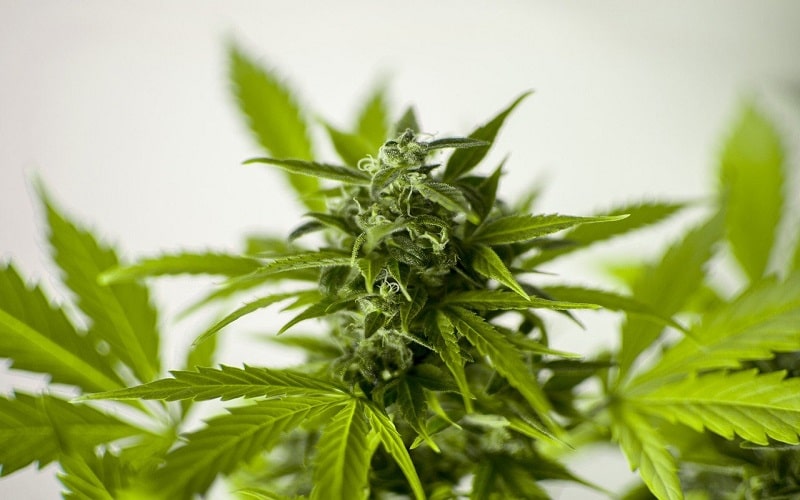
    The primary goal of medical marijuana is to extract the active ingredient from the cannabis plant and use it to treat a wide range of illnesses and disorders, including cancer.

    Despite the fact that each state has its own medicinal marijuana regulations, its use is still illegal in most places. The majority of individuals nowadays use recreational marijuana. It can also be used to treat Lennox-Gastau syndrome, epilepsy, and Dravet syndrome, among other disorders. The only thing preventing more study into cannabis usage is the law, which compares it to LSD and heroin, both of which may be abused. You can get your hands on element earth CBD products and relive the original marijuana high. Let us now turn our attention to some background information on medical marijuana.

    What is Medical Marijuana?

    The main point of medical marijuana is to extract the substance of the cannabis plant and utilize it to treat a variety of ailments and disorders. It’s the same recreational marijuana product as before, but this time it’s for medical use. You should be aware that cannabis plants contain over 100 compounds known as cannabinoids. Each chemical has a distinct impact on your body. CBD and THC are the two most often used compounds in medicine. THC is the molecule that gives you a high when you smoke marijuana.

    What is Medical Marijuana’s Purpose?

    Medical marijuana has been shown in studies to help people recover from a variety of ailments. Cancer, lack of appetite, anorexia, epilepsy, multiple sclerosis, glaucoma, and a variety of other illnesses can all be treated with medicinal cannabis. However, as previously said, additional study is being conducted to identify the entire range of marijuana’s health advantages. Chemicals comparable to those released by your body for voluntary actions including movement, discomfort, and appetite have been discovered in cannabinoids. According to the study done so far, cannabinoids can be used in a variety of ways.

    It is totally up to you to determine how you will consume marijuana. Every approach, on the other hand, produces a different result. Vaporizing or smoking will allow you to enjoy the effects more quickly. If you decide to consume it, you may have to wait a little longer for the responses. It might take up to two hours for you to taste the edible cannabis. If you want to vape, you may choose from a variety of inhalable cannabis products to take your prescription.

    Are There Any Side Effects From Medical Marijuana?

    Cannabis can also impair your coordination and judgment, resulting in accidents and injuries. This is why marijuana use among teens is frowned upon. If you eat it before your brain is completely grown, it might impair your mental performance and IQ. Certain individuals believe it might hurt your lungs since it contains some compounds seen in cigarettes. However, it is unclear whether or not inhaling marijuana may cause bronchitis. THC levels beyond a certain threshold might lead to addiction. The higher the THC concentration, the more likely you are to get addicted to marijuana. When you wish to quit using it, you can run into some difficulties. Cravings are a possibility. But it’s all up to you. Of course, if you want to use marijuana for medical reasons, you will not abuse it.

    What Are Your Options for Getting Medical Marijuana?

    The first thing to remember is that you are not permitted to consume marijuana in states where it is illegal. Check your state regulations before you start looking for a place to get CBD to take your prescription. A formal referral is required to obtain medicinal cannabis. And not just any suggestion will suffice; it must come from a licensed physician. Not all doctors, however, will be willing to prescribe medicinal marijuana to you.

    Medical marijuana should be used only if you have a condition that qualifies you for it. Every state has its own list of illnesses that may need a medicinal cannabis prescription. Depending on where you live, you may be required to obtain a cannabis identification card. You can buy medicinal marijuana with the card. There are a number of websites where you can purchase marijuana products. The Element Earth CBD website has further information about marijuana products. Medical marijuana can be purchased from dispensaries in states where it is illegal to use cannabis.

    Concerns about safety

    Always follow the prescribed recommendations when taking medicinal marijuana. Dizziness, dry mouth, and blood pressure problems are some of the most frequent side effects of marijuana use. Marijuana has the effect of slightly altering your brain. With adults, however, this is not the case. Marijuana has no long-term effect on cognitive performance in adults or mature minds. Adults who used medical marijuana improved their functional abilities such as time management and concentration, according to research.

    Conclusion

    Although most people think of marijuana when they think of getting high, it may also be used for medical purposes. To believe this, you must live in a state where marijuana is legal. Marijuana may be used to treat a variety of ailments, including cancer and epilepsy. Medical marijuana is available for purchase at dispensaries in your area. You may also obtain it from a variety of internet sources.

  • Amnesia Haze feminized Marijuana Seeds
    Amnesia Haze feminized Marijuana Seeds

    When you hear the name Amnesia Haze feminized seeds, you might conjure thoughts of a hard-hitting weed that leaves you disoriented. In the case of this cultivar, that couldn’t be further from the truth.

    The strain is uplifting and gives you a kickstart to the day. It’s a hybrid rich in THC and has an interesting lineage.

    You can expect a bouquet of fruity and spicy scents with similar flavors when you take a toke. The effects pair well with many activities, and Amnesia Haze feminized has a multitude of therapeutic benefits too.

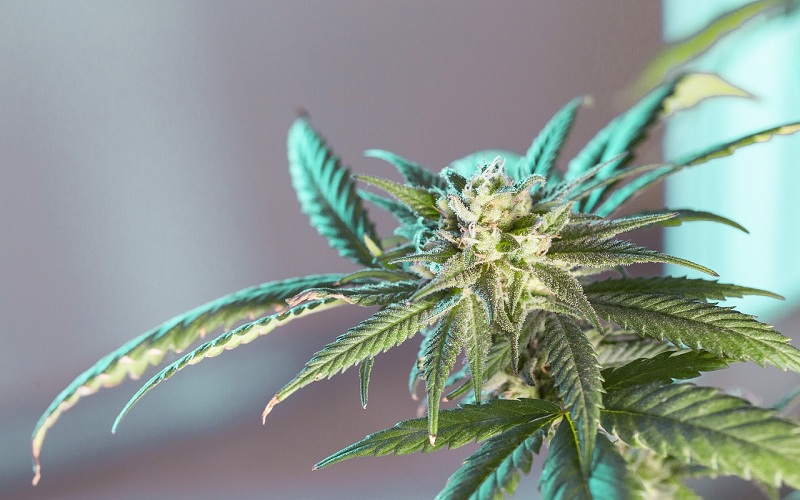
    Amnesia Haze feminized plants grow to a medium height and possess a Sativa-leaning structure, with slim leaves. It produces dense conical buds, each coated with white trichomes. The yields are extremely bountiful, both indoors and outdoors.

    As divine as these rewards sound, it’s only granted to growers who are willing to take on a daunting task, as these crops are challenging to cultivate. It’s best suited to those with intermediate and advanced cultivation skills.

    Join us as we discover everything there is to know about this cultivar. Below we discuss the flavors, effects, and genetics in detail. We also provide excellent tips on the best ways to grow feminized Amnesia Haze seeds.

    Amnesia Haze feminized seeds description

    Amnesia Haze feminized seeds produce all-female crops, making it convenient for the grower. The buds are conical, with a tapered structure, and dense. Each nug is light green with hints of yellow and burnt orange pistils.

    The buds are usually covered in white trichomes and resin, but this varies from one phenotype to the next. In full bloom, these plants are an attractive sight to behold, but it’s not grown as commonly as other strains.

    If you take on the task of cultivating feminized Amnesia Haze seeds, you’ll need diligence. The strain takes a while to mature. When it does, it’ll be well worth the effort because it’s known for its massive harvests.

    Amnesia Haze feminized has achieved several awards. Two of the most noted ones are the 2004 Cannabis Cup, where it took overall first place, and the 2012 Cannabis Cup, where it won the Best Sativa prize.

    The strain’s THC levels average around 16–20%, but some variants go as high as 22–25%. It’s known as a daytime strain on the 420 scene due to its motivational effects.

    Amnesia Haze feminized effects

    The punch from Amnesia Haze feminized is almost instant. It hits you cerebrally, inducing heightened awareness and positivity. Your mood improves quickly, and a surge of energy floods through you.

    Tokers often use this buzz to take on tasks they’ve been putting off, like chores. The sudden uplifting sensations can also be inspirational, giving you a creative spark for an artistic task.

    Amnesia Haze feminized pairs well with contemplation-related activities, such as yoga, but even works well with physically demanding exercises like hiking or an outing to the gym.

    As the effects started settling, a strong case of the munchies hits. You’ll feel euphoric and sociable while exhibiting positive, bubbly confidence.

    The strain is great for a morning toke, especially before a social gathering. It also has a wide range of medicinal properties, making it ideal for health users who want the benefits of a high THC cannabis without the couch-lock.

    It helps with several mental and behavioral conditions, including stress, depression, and anxiety. Amnesia Haze feminized is excellent for moderate pain too. It helps treat migraines and muscle spasms. Patients with arthritis also benefit from the cultivar.

    Amnesia Haze feminized flavors

    Amnesia Haze feminized seeds grow into attractive plants that exude intriguing aromas. The exact fragrances vary between phenotypes, but you’ll usually detect citrus, earth, and spice.

    After harvesting and crushing, the nugs give off a distinctly lemon scent with strong peppery undertones and earthiness. These smells translate almost identically to the flavor, but subtle floral notes arise on the exhale that compliment the strong citrus blend.

    How to germinate Amnesia Haze feminized seeds

    There are many ways to germinate feminized Amnesia Haze seeds. Some methods require you to purchase special equipment, while others can be done using items in your home. Below are some easy-to-apply methods that are suitable for beginners or veteran growers.

    Cotton wool technique

    When a seed starts germinating, it only needs warmth and moisture. Cotton wool provides the ideal medium for these factors and retains just enough water to keep your Amnesia Haze feminized seeds hydrated.

    You can choose to use cotton balls, cotton pads, or even wads of cotton broken off from a larger piece. Just be careful not to accidentally damage the roots as they can get tangled in the fibers.

    For this method, you’ll need:

    • Two wads of cotton
    • A bowl of water
    • Two dinner plates
    • Tweezers
    • Amnesia Haze seeds (feminized)

    Dip a wad of cotton wool into the bowl of water and squeeze out the extra liquid. Flatten it on a dinner plate and place your marijuana seeds on the wet cotton using your tweezers. Space them an inch apart to give each seedling enough room to grow.

    Wet the second wad of cotton, remove the excess moisture, and cover the seeds. Close the whole setup with the second dinner plate and keep it in a warm, dry area.

    This method usually takes between 1–7 days. If you notice the cotton is dry, add moisture as needed. Check on your Amnesia Haze feminized marijuana seeds daily and transfer them to the soil when thin taproots appear.

    Seedling plugs

    Using seedling plugs is one of the simplest germination methods, but you have to purchase a few items before you can begin.

    Starter plugs are usually made from natural materials like tree bark. They’re designed to provide your seedlings with the best ratio of water, warmth, and oxygen.

    You’ll need:

    • A pack of starter plugs
    • A growing tray
    • Amnesia Haze seeds (feminized)

    Each plug hosts one seed. Pop a cannabis seed into each plug, and slot the plug into the growing tray. Add water as needed.

    Different brands of seedling starters have varying water requirements, so be sure to read the instructions carefully. The roots can easily grow through the plug, and once they’re visible, move them to the growing medium of your choice.

    Soaking

    Soaking is the simplest and cheapest technique for germination. All you need is a container with water. Ensure that the liquid is lukewarm and drop your Amnesia Haze feminized seeds in. If your container is clear, you might be lucky enough to witness the germination.

    Healthy seeds usually sprout within 24 hours, but you can leave them in the water for up to 32 hours. If roots haven’t developed, you can still try one of the other methods.

    Ziplock bag technique

    This technique is quite similar to the cotton wool method. Most of the items you’ll need are easily available around your home.

    You’ll need:

    • A clear ziplock bag
    • Two paper towels
    • A bowl with water
    • Amnesia Haze seeds (feminized)

    Soak the two paper towels in water and wring out any excess liquid. Place your seeds an inch apart on one of the towels and cover them with the second one. Gently slide the paper towels and seeds into the ziplock bag.

    This method traps warmth and humidity similarly to a greenhouse. Many growers like this technique as it allows them to identify which seeds have germinated before transplanting to the soil.

    This method usually works within five days. Some growers start their Amnesia Haze feminized seeds this way before popping them into seedling plugs.

    Direct planting

    Planting your Amnesia Haze feminized seeds directly into soil has pros and cons. The main disadvantage is that you won’t be able to distinguish which seeds germinated until the successful ones emerge from the soil.

    The benefit of this method is that you won’t risk shocking the weed during transplanting. To plant your feminized Amnesia Haze seeds this way, mix potting soil and fertilizer in a container and insert the seed.

    Water them as needed and keep them in a warm indoor area. It typically takes 2–3 weeks before you notice any growth.

    Amnesia Haze feminized seeds grow information

    Amnesia Haze feminized is a tricky cultivar to grow. It’s susceptible to common garden pests, and it’s pretty temperature-sensitive too.

    This strain is best suited to experienced growers that have the patience to wait for this plant to mature as it can take up to 13 weeks in some cases.

    The typical flowering time is 8–10 weeks, but this varies from one phenotype to the next. You can cultivate Amnesia Haze feminized seeds indoors and outdoors, but indoor growth offers a better chance of success because it’s such a fragile strain.

    You need to strictly control the temperature and keep it a warm 70–85℉. The relative humidity should ideally be set at 60% and dropped to a range between 50–55% in the flowering stage.

    Some growers drop this even further a week or two before harvesting. The indoor yield is generous and ranges between 17–21oz./m2.

    Advanced growers with the right climate conditions can cultivate feminized Amnesia Haze seeds outdoors, provided they select a sunny spot and sow their seeds in spring. You need to harvest these crops by October as they won’t withstand the cold weather.

    These plants grow between 2–3ft tall and have a Sativa-looking structure, with slim-bladed leaves and light green conical buds covered in resin. You need to prune the foliage regularly to enhance the light exposure and airflow the plant gets.

    You can choose soil or hydroponics for this strain, but yields are higher with the latter. You’ll need to use either pesticides or foliar sprays to keep bugs at bay. Many growers opt for a homemade natural product. Compost tea is a firm favorite.

    Yields from outdoor Amnesia Haze feminized vary between 21–28oz./plant.

    Amnesia Haze feminized seeds genetics

    Amnesia Haze Feminized is quite a unique cultivar. It has an exotic lineage that includes many landrace cannabis strains. It’s a cross between Haze, Thai, Afghani, Hawaiian, Jamaican, Cambodian, and South Asian Indica.

    This interesting gene pool gives the strain a fusion of flavors and terpenes with many health-related benefits.

    Where to Buy Amnesia Haze feminized seeds

    If you’re looking to buy Amnesia Haze feminized seeds, try a reliable seed bank like Homegrown Cannabis Co. There’s a wide variety of strains available, and many of the products come in feminized, regular, and auto-flower variants.

    The site also offers a few irresistible deals where you can get free seeds with your purchase. Popular offers include:

    • Buy four seeds and get four free
    • Buy eight seeds and get eight free

    The special offers are subject to change, so be sure to check in frequently

    The seed bank is user-friendly and offers helpful information as well as blogs to assist you along your cultivation journey. Click here to purchase Amnesia Haze Feminized seeds from a reputable source now.

    Wash your haze away

    Amnesia Haze feminized is a unique hybrid weed with citrus and earthy flavors. It offers users an energetic high that pairs well with many activities. Tokers often use it as a wake and bake before hiking or yoga.

    It’s a rapid-acting, potent cultivar. The effects are euphoric, uplifting, and relaxing, without any body-melt sensations. The high levels of THC make it suitable for medicinal use too.

    Cultivating Amnesia Haze feminized seeds takes diligence and can be daunting for beginners. Those who take on the challenge get rewarded with bountiful yields of delicious resinous buds.

    If you’re up to the task, check out Homegrown Cannabis Co. and get the best possible start to your marijuana-growing journey. Begin your crop today.

  • Important Benefits of Medical Marijuana Use
    Important Benefits of Medical Marijuana Use

    Medical marijuana has found its rightful place among the elements used for the most important treatments in the world. It has proven its true worth.

    What are the effects of cannabis in the context of medical treatment? Authorized for medical prescription in the United Kingdom or Spain, it remains banned in America. Why and how is it used for pain relief? Where is the research?

    What is cannabis?

    We call it herb or marijuana when we designate its flowers, hash, or hashish when it comes to its resin … Cannabis remains an illegal substance in America, sought after for its euphoric effects and used by many patients for its virtues.

    Originally, this plant grew naturally in India and Sri Lanka. Then, it spread to all continents with human migrations.

    Prostate: what you absolutely need to know

    Its psychotropic effect is the result of an active principle, TetraHydroCannabinol or THC, which acts in the brain, by attaching itself to the receptors involved in emotions and mood.

    Cannabis is therefore recognized as a drug, but it can also be useful in relieving certain diseases. It will thus fight against nausea and vomiting, undesirable effects of chemotherapy treatments. It also stimulates the appetite, for example, for HIV-positive people on antiretrovirals. In addition, THC is known to decrease the sensation of pain.

    It is surely this pain control that was first sought after. The oldest trace of the therapeutic use of cannabis dates back to the 3rd century AD. Archaeologists have indeed found an Egyptian tomb containing the remains of a young woman who died during childbirth and the remains of cannabis resin.

    Cannabis in therapy?

    In America, the therapeutic use of cannabis is prohibited. But some ignore the legislation and use it in addition to medical treatment

    Today, a good handful of countries, such as Spain, Canada, the United Kingdom, or some American states, have decriminalized cannabis for the sick, with compulsory medical prescription.

    In America, very few cannabis-based medicines are available, and in a very controlled manner. Some people will therefore obtain supplies abroad, in countries where it is legal.

    Medical cannabis: The search for new treatments

    Research should lead to finding new treatments based on the effects of cannabis. However, most sufferers consume cannabis by smoking it, thereby damaging their lungs. You should know that, when smoked, cannabis contains three times more tar and five times more carbon monoxide than tobacco smoke.

    Laboratories are therefore trying to extract the THC to allow it to be consumed in other forms. For example, Canada recently authorized the marketing of a spray to treat pain and improve sleep in patients with multiple sclerosis. But this drug retains the psychotropic effects of THC. This is why research is working to find artificial molecules free from these drawbacks.

    But scientists are not only interested in medical cannabis and its derivatives for their action against pain. They are also looking to exploit other properties that could help them find new treatments. Thus, a Lille laboratory is currently working on the development of synthetic cannabinoids to treat prostate cancer tumors.

    Pending the arrival of these drugs, the legal use of cannabis is reserved for a handful of patients in America. It is the National Agency for the Safety of Medicines and Health Products (NASM) which issues temporary authorizations for use. It examines on a case-by-case basis the files presented by the doctors.

    In Switzerland, cannabis-based medicines soon

    Switzerland could by 2011 open the door more widely to cannabis-based drugs, already available under certain very restrictive conditions, announced Monday, August 9, 2010, the Swiss authorities.

    The deputies must indeed work from September 2010 on a bill on narcotics intended to allow the approval with the Swiss authorities of hemp-based drugs, said a spokesperson for the Federal Office of Health.

    The new legislation should also make it possible to obtain special authorizations to treat seriously ill patients with medicinal products made from hemp. If the law is adopted, it will enter into force in the first half of 2011, the spokesperson added.

    However, its application will not be won for all that, according to her: “the obstacles to be overcome for an approval will be very numerous”, insisted the person in charge, adding that these drugs will have to prove their effectiveness and their added therapeutic value.

    Last Words

    The cannabis and its derivatives are not authorized as medicine in Confederation, allowing, however, by special permission, to use a synthetic version of the active ingredients of the plant, THC. This product, marketed under the name Dronabinol, allows, in particular, the symptomatic treatment of neurological disorders and cancer.

  • Why You Should Still Use Regular Marijuana Seeds
    Why You Should Still Use Regular Marijuana Seeds

    Cannabis growing today has definitely evolved from what it used to be. While early growers and old-time gardens made full use of regular marijuana seeds as their only option, the weed markets today now offer varieties such as feminized or even auto-flowering marijuana seeds. This leads people to believe that regular marijuana seeds have become obsolete and are no longer a viable choice for cultivating cannabis. However, this could not be farther from the truth! Despite the development of other advanced types of marijuana seeds, regular ones can still hold their own!

    You can still gain and learn a few things through the use of regular marijuana seeds. As they are the traditional way of getting things done in a cannabis crop, it is hard to ever see them going out of style. In this article, we are going to explain why regular seeds still hold some significance in the marijuana scene.

    What Are Regular Marijuana Seeds?

    Long before feminized and auto-flowering variants took over the markets, the only option that growers had was using regular seeds. These are basically the other type of photoperiod marijuana seed (with the other one being feminized seeds) that is used for cannabis cultivation. It is traditional in every way, often being the main choice for old-timers who are still in the business.

    Regular seeds are cannabis seeds in their most organic and natural forms. Without undergoing any type of human interference or processes, regular seeds grow and develop in the way that nature intended them to.

    How are they different?

    The main difference between regular marijuana seeds lies in the way that they flower. Many of you may already know this but here is a general summary of it: regular seeds carry the ability (or risk, as others would call it) to sprout either male or female cannabis plants. With a 50%-50% chance of your seeds ending up male or female, these types of seeds bring the risk and danger of pollination.

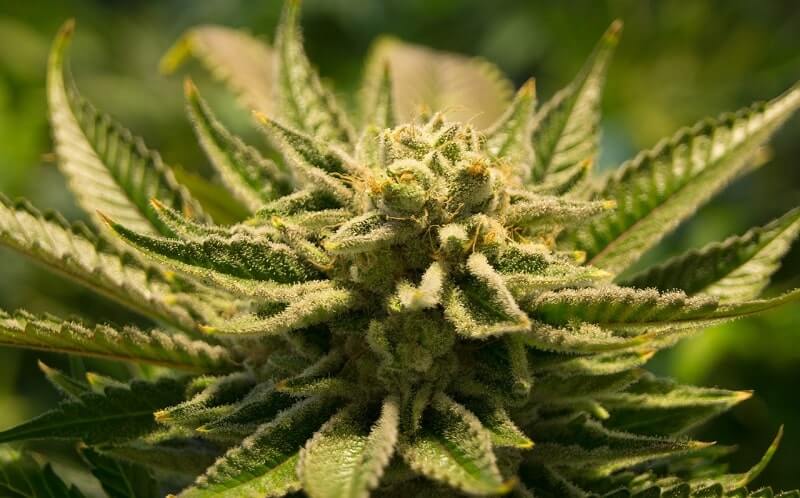
    Male plants will generally produce pollen sacs and seed-filled cannabis buds. These buds are unfit for consumption as they tend to carry only a very minimal amount of THC. On the other hand, females develop pistils and seedless marijuana buds known as sinsemilla. These female buds are often used for consumption as they contain high doses of THC and trichomes.

    As for their functions, male plants lean more towards breeding and seed development whereas females are the main ones used for commercial or personal use and smoking. Once male plants start spreading their pollen grains through pollination, this contaminates the females and subsequently converts them into seed-bearing plants.

    Because these seed-bearing females will no longer be good for consumption as they lose potency in exchange for seed-developing abilities, growers will normally separate males from females before pollination. This is usually done at the pre-flower stage in order to still end up with resinous female weed buds.

    Why Should I Use Regular Marijuana Seeds?

    Marijuana Seeds

    After reading the section above, it seems like a big risk to opt for regular marijuana seeds. The presence of male plants can virtually ruin your crop and leave you with a pretty useless batch if you are not into seed breeding! However, there is actually more to regular marijuana seeds than that!

    Here, we list down some of the most beneficial features of regular seeds and why we think they are still as useful as ever!

    • Like we said, regular seeds aren’t all that useful to casual growers. However, if you are a seed breeder who likes experimenting on crossbreeding and hybrid strains, regular seeds are your safest bet! The natural composition that they carry brings purely strong genetics for healthy and robust strains.
    • Regular cannabis plants, in general, are extremely strong and durable. Their roots tend to develop very quickly and the branches that they have are capable of withstanding strong winds and extreme climates. They are an overall healthy type of plant that can act great as parent strains or even for clones!
    • Because they come with no human interference whatsoever, regular marijuana seeds will have some very high THC levels and potent buds. In fact, the buds from regular seeds are known to be of the best quality!
    • Familiarizing yourself with how to differentiate and subsequently pluck out male plants makes for a better experience earned when growing cannabis plants. Yes, it is a little more demanding but who doesn’t want a little challenge, right? It’s sort of like learning how to drive a manual transmission vehicle first before entering the world of automatic cars.
    • Lastly, a lot of classic and legendary strains will yield the best results when they come from regular marijuana seeds! Because of the natural and organic makeup, nothing will come in between getting the best potency and highs from these well-established bad boys!

    A lot of things in this world are capable of withstanding the tests of time and regular seeds are, without a doubt, one of these. As more and more people across the world venture into the experience of cannabis growing, using regular seeds should definitely be something that they do at least once!

    More appreciation is owed to regular marijuana seeds. Despite the rise of feminized and auto-flowering seeds overshadowing their use, you can still get your hands on regular seeds pretty easily!

  • Hemp vs Marijuana | The Difference Between Hemp and Marijuana for You
    Hemp vs Marijuana | The Difference Between Hemp and Marijuana for You

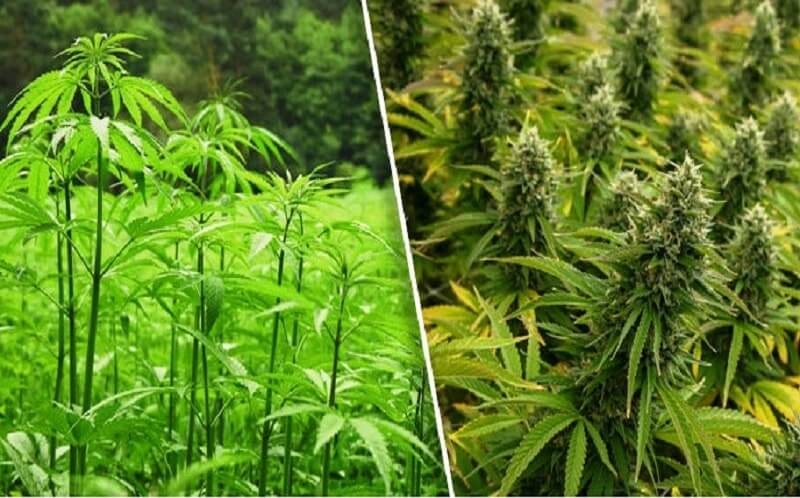
    Hemp and Marijuana are the same plants, part of the botanical family of the Cannabaceae (a subset of the order of plants Urticales). The distinction between hemp and marijuana is therefore only lexical and due to the common use of the terms. It would be more correct to always talk about hemp, both when we mean the textile variant, and when we mean the psychoactive one.

    The two distinct names to define the two different uses are simply used by convention: the word hemp means the variety that was produced in large quantities in Piedmont, Emilia Romagna, and southern Italy, and which is used to produce food (seeds, oil, flour), bio-fuel, paper, fabrics, cordage, cosmetic and material products (often innovative and very efficient) and for green building.

    Hemp plants

    It is almost devoid of THC (or rather contains only minimal concentration), the active ingredient that causes the “high”, and therefore has no psychotropic effect. Its cultivation in Italy is legal and regulated (for those interested here is an article about it: what to do to grow hemp). For years industrial hemp was one of the leading sectors in Italy and in the world, our country was the second world producer (a traditional production of which some beautiful photographs remained).

    To give an idea of how widespread the use of hemp was, just think that even the United States Constitution was written on hemp paper. In short, it was a plant that allowed almost everything to be done with oil and its derivatives in an economic and ecological way.

    Marijuana plants

    The term marijuana means the variant of hemp rich in THC and therefore a psychoactive effect. This is the plant sung by Bob Marley and symbol of the hippie culture (and at the same time by the important and increasingly widespread medical and therapeutic uses). Marijuana is considered a light drug and its cultivation in Italy is prohibited even if more and more countries in the world are legalizing it.

    The one used for textile purposes, without THC, is usually the male plant (although not always, there are also qualities of monoecism hemp, i.e. hermaphrodite, and females used for this purpose) while the one with psychoactive effects is the female.

    To conclude, it is still important to know that the distinctions between the terms hemp, cannabis, and marijuana are completely arbitrary. As already mentioned, the scientific name is the same, precisely due to the fact that it is the same plant. The distinction of the name marijuana from that of hemp occurred in the 1930s (in this article it is discussed in depth).

    Hemp and cannabis are two words that are often confused and used as synonyms, but the difference in meaning is there, although very subtle.

    First of all, Hemp and Cannabis are the same plants, or they are part of the botanical family of Cannabaceae. The distinction between hemp and cannabis is therefore purely lexical and due to the use that is made of the plant, therefore if used on an industrial level or for recreational-curative purposes.

    Hemp and cannabis differences: the plant

    To clarify it is important to understand what hemp is and how it is grown. We have already said that cannabis and hemp are the same plant base, of which there are multiple varieties.

    Normally, the most cultivated types of hemp are the Hemp Sativa, the Hemp Indica, and the Hemp Ruderalis, which differ in shape, size, cultivation methods, and sun exposure and quantity of THC and Cbd inside them.

    The Hemp plant, and in particular the Hemp Sativa, when grown in open environments can reach up to two meters in height, without the need to be fertilized or treated particularly, reaching maximum development within about six months.

    If grown indoors and subjected to optimal artificial lighting, the methods and timing of which may vary depending on the specimen, the plant can reach productive maturity within much shorter times and can be exploited to the maximum, especially in the case of auto-flowering specimens.

    The hemp plant is spontaneous dioecious, with male flowers and female flowers. The flowering tops of the female plants, or the excrescences present on the specimen, are those that are collected and processed for recreational and medical purposes.

    There are numerous scientific studies and research projects aimed at demonstrating and closely studying the effects of hemp on living organisms. Furthermore, we are trying to define the various types of Cannabinoids present, that is, of the active principles of the plant responsible for the various effects on human beings. Many of the analyzed Cannabinoids, such as the THC or the CBD, have innumerable therapeutic properties recognized as the curative action of neurodegenerative diseases and the immuno-modulating effects. It is precisely cannabinoids that make the difference between hemp and cannabis clear.

    THC is the most famous cannabinoid since it is the active ingredient associated with the psychoactive effects that have made Cannabis illegal in many countries of the world. The effects of this substance are variable and often, but not always, depending on the quantities taken. THC causes euphoria, relaxation, weight, and appetite (the famous chemical hunger) even with minimal assumptions.

    CBD is another substance, often confused with THC. In reality, this cannabinoid has very different properties from THC, but the scarce amount of information has led to a general ignorance on the subject and to a spread of incorrect information. The CBD has no psychoactive properties and is indeed considered a totally safe substance, although there are still numerous studies in progress in this regard.

    However, CBD has been shown to have particularly effective effects in the treatment of diseases and disorders such as schizophrenia, social anxiety, and depression. It is also good as a painkiller in case of intense migraine, muscle spasms, and inflammation. Moreover, it is an excellent treatment against many psychotic symptoms of various kinds, without causing any side effects of any kind to those taking this cannabinoid.

    What then is the difference between hemp and cannabis?

    As we have said, it is the same plant. What distinguishes cannabis and hemp is their genetic picture: the real difference lies in the quantity of THC, or Tetrahydrocannabinol, whose presence is clearly superior in cannabis and whose percentage goes from 0.3% (in the case of Cannabis light) upward.

    Hemp and Cannabis: differences and uses

    The main use of hemp is the industrial one. Hemp, in fact, being a material rich in active principles and particularly resistant, today it is very well known and used in various sectors, from the textile to the food and paper industries, but also in the cosmetic and innovative sectors of bio building. Cannabis, also more commonly called Marijuana, a Mexican term coined to refer to cannabis used in recreation, is exploited by man for recreational and medical and therapeutic purposes.

  • Understanding the Current Status of Federal Marijuana Legalization in the USA
    Understanding the Current Status of Federal Marijuana Legalization in the USA

    The liberal policies of governments in the USA are providing an ideal environment for marijuana businesses to thrive. Cannabis has already become a billion-dollar business in the United States. It is estimated to surpass the benchmark of $30 billion in 2023. In 1973, Oregano became the first state that introduced liberal policies to decriminalize cannabis use. Followed by Oregano, California legalized medical marijuana in 1996.

    Finally, in 2012, Washington and Colorado became the first-ever states that gave legal recognition to recreational marijuana. It took around 40 years to influence the federal lawmakers for revoking ban on cannabis selling and consumption. Still, the legal statuses of marijuana majorly vary from state to state until now. Before discussing them, it is important to know the reasons why lawmakers are uplifting the ban gradually? Scroll down to get the answer,

    Major reasons for legalizing marijuana sale and purchase

    Around a few decades ago, cannabis consumption was completely considered as taboo (even the number of cannabis users was still high). What could be the reasons to reconsider the restriction policies? Here are some influential points:-

    1) Medicinal benefits

    Several recently published medical journals proved that the cannabinoids and terpenes of the cannabis plant are highly beneficial for health. Not only CBD but its psychoactive compound THC also comprises various health benefits. From mental health issues like depression and Alzheimer’s to physical health issues like low appetite, insomnia, and diabetes, cannabinoids showed some significant results. It becomes the biggest reason for allowing the sale of cannabis in recreational dispensaries.

    2) Least addictive

    Unlike opioids, alcohol, cocaine, synthetic drugs, and alcohol, cannabis is the least addictive substance. If you consume marijuana strains without mixing tobacco or any other psychoactive element, the chances of addiction will be around 5-6%. On the other hand, synthetic drugs are the most addictive substances. Although cannabis has a high uplifting potency, still, it is much safer than alcohol when it comes to addiction. If alcohol is legal worldwide, what should be the problem with cannabis?

    3) Not fully restrictable

    Cannabis is widely known as a weed in its slang term. It grows abundantly almost in every part of the world. Cannabis doesn’t require special care to thrive. Therefore, complete eradication is not possible. Also, its processing is so easy that anyone can consume without requiring any special skills. Rubbed black hash, dried leaves strains, and fried snacks are some very common ways to get high on cannabis without even buying. The federal lawmakers realized that ban it or not, the market of cannabis will continuously thrive. It’s better to generate heavy revenue by legalizing rather than allowing the black market to dominate.

    From these three points, it has become clear that the extreme environment adaptable nature and medicinal benefits are the collective reasons behind the ban revocation on marijuana. However, not all states agree on liberalization. Some gave full permission, some allowed it partially and others completely banned. Below is a list of all states and their current policies for marijuana legal status as per the recently published data on Wikipedia.

    State Recreational Status Medical Status Transportation Rules Cultivation Status
    Alabama felony (1st-offense possession is a misdemeanor) non-psychoactive CBD oil not clearly stated illegal
    Alaska legal legal up to 1 oz. (28 grams)[8] 12 plants in a household with two adults 21+,[9] or no limit with commercial license
    Arizona Illegal legal medical use only medical use only
    Arkansas Illegal legal medical use only medical use only
    California legal legal up to 1oz. (28 grams) six plants, or commercially licensed
    Colorado legal legal up to 1 oz. (28 grams) six plants, or commercially licensed[17]
    Connecticut decriminalized legal felony (legal for medical use) felony
    Delaware decriminalized (civil infraction) legal medical use only medical use only
    Florida illegal legal medical use only medical use only
    Georgia illegal; decriminalized in the cities of Atlanta[24], Clarkston[25], Forest Park[26], Savannah, South Fulton[27], Statesboro[28], and unincorporated Fulton County[29] CBD oil less than 5% THC medical use only illegal
    Hawaii decriminalized [33] legal against program rules. medical use only
    Idaho misdemeanor (85 grams/3 oz. or less) CBD oil containing 0% THC not clearly stated felony
    Illinois legal[40] legal up to 1.1 oz. (30 grams) five plants (medical use only)
    Indiana misdemeanor up to 6 months, $1000 fine CBD oil less than 0.3% THC, legal for any use not clearly stated illegal
    Iowa illegal cannabis oil less than 3% THC not clearly stated felony
    Kansas misdemeanor CBD oil containing 0% THC, legal for any use not clearly stated illegal
    Kentucky misdemeanor (less than 8 oz (230 g)) CBD oil not clearly stated misdemeanor (less than 5 plants)
    Louisiana illegal legal medical use only illegal
    Maine legal legal legal to carry up to 2.5oz. (71 grams) up to three mature plants, 12 immature plants and unlimited number of seedlings; or commercially licensed [49]
    Maryland decriminalized (10g or less) legal medical use only illegal
    Massachusetts legal legal up to 1 oz. (28 grams) 1 oz of marijuana outside the home, 10 oz inside the home, up to six plants.
    Michigan legal legal medical and recreational 2.5 oz of marijuana outside the home, allows 10 oz and up to 12 plants per household
    Minnesota decriminalized legal medical use only medical use only
    Mississippi decriminalized (first offense; 30 grams or less) CBD oil not clearly stated illegal
    Missouri decriminalized legal not clearly stated legal for medical use
    Montana illegal legal medical use only medical use only
    Nebraska decriminalized (first offense only) illegal not clearly stated illegal
    Nevada legal legal medical and recreational use (adults at least 21) 6 plants per household
    New Hampshire Decriminalized (up to three-quarters of an ounce) legal medical use only medical use only
    New Jersey illegal legal medical use only medical use only
    New Mexico decriminalized legal medical use only medical use only
    New York decriminalized[78] legal medical use only misdemeanor
    North Carolina decriminalized (0.5 oz or less) CBD oil illegal illegal
    North Dakota decriminalized (0.5 oz or less) legal medical use only  
    Ohio decriminalized (civil infraction) legal not clearly stated medical use only
    Oklahoma illegal legal not clearly stated legal with a medicinal license
    Oregon legal legal up to 1 oz., more for licensed cultivators (adults 21+) 4 plants per household
    Pennsylvania illegal legal medical use only medical use only
    Rhode Island decriminalized (civil violation) legal medical use only medical use only
    South Carolina misdemeanor[98] cannabis oil less than 0.9% THC CBD oil illegal
    South Dakota misdemeanor illegal not clearly stated illegal
    Tennessee misdemeanor (less than 1/2 ounce; first or second offense only). cannabis oil less than 0.9% THC CBD oil misdemeanor: 9 plants or less; felony: 10+ plants
    Texas Illegal. “Cite and Release” in Houston, Dallas, San Antonio, and Austin residents of  Travis County CBD oil with no more than 0.5% THC and no less than 10% CBD not clearly stated illegal
    Utah misdemeanor legal not clearly stated illegal
    Vermont legal (up to one ounce or yield of two mature plants, no commercial sales[108]) legal (medical sales allowed) legal two mature plants, four immature
    Virginia misdemeanor cannabis oil less than 5% THC not clearly stated illegal
    Washington legal legal legal legal with restrictions and licensing
    West Virginia misdemeanor legal not clearly stated illegal
    Wisconsin misdemeanor on a first offense, felony on subsequent offenses[125] CBD oil qualified patients may have 12 plants and three oz of leaves or flowers.[124] felony
    Wyoming misdemeanor CBD oil not clearly stated illegal

    Federal District

    District Recreational Status Medical Status Transportation Rules Cultivation Status
    District of Columbia legal (no commercial sales)[127] legal (commercial sales) legal to carry up to 2 oz. (56.7 grams) legal to grow up to six plants (only three mature at a time) for recreational purposes; no provision for commercial recreational cultivation

    Courtesy – Wikipedia

    Currently, 11 states are allowing the sale of recreational marijuana near you, 23 states for the medicinal purpose (with THC), 14 states for medicinal purposes (without THC), and 4 completely prohibited it. From the above data, it becomes clear that the legalization status for marijuana is divided into four major categories including:-

    1) Recreational use

    In the states where recreational marijuana is legal, you can frequently buy any kind of stuff from the age of 21 years. Recreational marijuana contains the highest amount of THC in products like dry herb strains, hash, wax, edibles, and vaping concentrates.

    2) Medicinal use (With THC)

    Medicinal properties are among the major reasons why some states started revoking the ban. States like Virginia and Utah allow patients suffering from health problems like depression, cancer, and other inflammatory diseases to consume cannabis. They get special authorization cards to become eligible for using marijuana products.

    3) Medicinal use (Without THC)

    THC is the main psychoactive compound in marijuana plants and the main reason behind its prohibition. Therefore, states like North Carolina and Mississippi allow only CBD part of the cannabis plant for medicinal purposes.

    4) Completely illegal

    Right now, four states are maintaining strict prohibitions rules for the sale and consumption of all marijuana types. These are Idaho, South Dakota, Nebraska, and Kansas.

    There are also some states where recreational marijuana is completely prohibited but it is decriminalized. Similarly, different states customized their legal policies regarding cultivation, transportation, and consumption with additional rules. We will surely witness some significant liberalization moves in legalizing marijuana. You can check the above chart to gain exact information about every single state clearly.

  • Brief History Of Marijuana

    Brief History Of Marijuana

    In the last decade of the history of marijuana, the perception of this plant has been changing little by little, thanks to a greater awareness of its true potential.

    It is believed that cannabis was one of the first plant species cultivated by man, which discovered its numerous applications thousands of years ago. The history of marijuana says that the variety of its uses is impressive from construction material to numerous therapeutic applications. If we consider its enormous potential, it is not surprising that marijuana is known all over the world, what is surprising is the infamous reputation that has been gained in recent times. Cannabis is an annual flowering dioecious plant native to Central Asia, specifically from Mongolia and the southern area of Siberia. It has two subspecies: Cannabis Sativa and Cannabis sativa L – better known as hemp. Although hemp does not have psychoactive properties like its cousin the Cannabis Sativa, both were used in antiquity.

    There are not many people who have not heard or have not experimented with this famous plant called cannabis. It is often described as a dangerous and illegal substance with a high risk of abuse, a point of view totally contrary to the true potential of cannabis and its effect on human life throughout history.

    In the history of marijuana one of the first cultures that cultivated and consumed marijuana was the Chinese in 5000 BC. There is archaeological evidence of the use of hemp in ancient China to make clothes, ropes, and paper, and to make oils and food. The first record of the medicinal use of cannabis dates back to the Chinese emperor Shen-Nung. The Chinese used cannabis as an analgesic and to combat gout. After spreading through China, marijuana passed to Korea in 2000 BC, from where it arrived in India around 1000 BC The Indian people discovered many uses for cannabis and, like the Chinese, used it to make textiles, as a source of food, and as a potent medicine. Marijuana spread through the Middle East in 1400 BC and was cultivated mainly by the Scythians, an Indo-European nomadic people. The Scythians brought cannabis to southern Russia and to Ukraine, from where it spread to most European countries.

    During the following years, and due to the influence of the Middle East, the cultivation of cannabis began to appear in Africa, and a little later it had already spread throughout Europe, Asia, and Africa. The cultivation and consumption of marijuana were passed from one culture to another, and all of them considered it as the most valuable crop of the time.

    At the beginning of the 19th century, cannabis traveled from Africa to South America and Mexico. Thanks to immigration during the 1910-1911 period, it did not take long to reach the United States. That was where the peaceful era of cannabis cultivation and consumption came to an end, and where the turbulent War on Drugs began.

    Unfortunately, the use of marijuana was associated with the criminal acts committed by many Hispanic immigrants, and that is how the prejudice against the grass began. Many newspapers slandered marijuana, and all this led to its criminalization. The first state that banned the use of marijuana was Utah, in 1915. Others followed his example and, by 1931, cannabis was illegal in 29 states. In 1937, due to the joint work of the Federal Narcotics Office and Commissioner Harry Aslinger, the Marijuana Taxation Act was enacted, which penalized the possession and consumption of cannabis throughout the United States. The law was the same for marijuana and hemp, although the latter is not psychoactive.

    Today, the federal government continues to classify marijuana as a controlled substance in Schedule I, that is, it has a high potential for abuse and addiction, and no medical use. Although it is still illegal in many US states and Europe, the opinion on cannabis is slowly changing. In 1976, the Netherlands decriminalized the use of cannabis and, in 1980, its retail sale in “coffeeshops”. In Spain, numerous private cannabis clubs have been opened, which help raise awareness of responsible consumption. The Czech Republic legalized medical marijuana for patients with a prescription, although this country has difficulties in producing the necessary cannabis to meet the demand.

    Origin of the name:

    The name of cannabis comes from the Greek word κάνναβις (kánnabis), which was originally a Scythian word, and the word “hemp” may also be a variant of a Scythian term. These Scythian words passed into the Indo-European languages. In 1548, the Oxford English Dictionary collected the first use of the expression “Cannabis Sativa”. The name “marijuana” or “marijuana” to refer to cannabis has a more popular etymology. The word “marijuana” originated in Mexico, among the Spanish-speaking natives, and is related to the feminine name of MaríaJuana, but the story that hides the connection between both is still unknown. During the decade of the 30s, this word was used in excess by the press, to make cannabis have a foreign consonance that made it seem more dangerous and, in that way distance the American people from it.

    Another theory is that the word marijuana comes from the Chinese term “ma”, used for hemp. It is believed that Chinese explorers called the cannabis flower “Ma Renhua”, which means flower of hemp seed.

    Conclusion:

    The American perception of cannabis has been changing in recent years, and thanks to increased awareness, 32 states have legalized marijuana for medicinal purposes. Thanks to new scientific research on cannabis, and conclusive evidence of its medical potential, cannabis is finding its way back into society. We hope that the long tradition of this plant continues to flourish and that it will once again be recognized as a plant with enormous potential, both medicinal and economic, as it was years ago.