
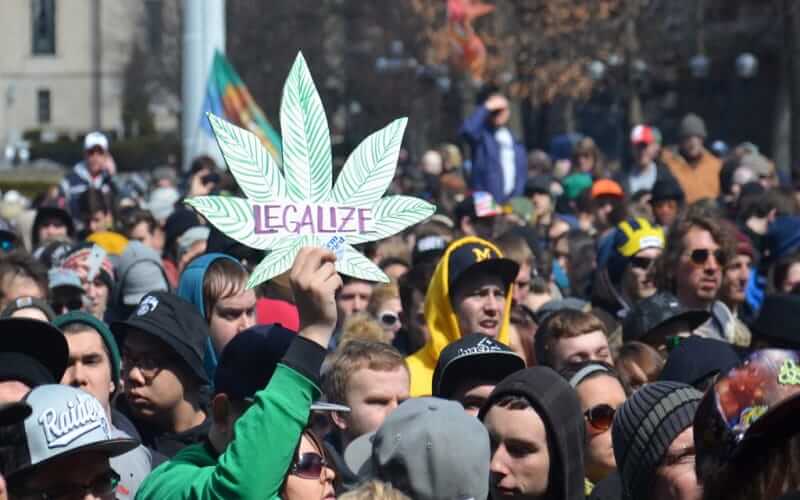
Walk into a dispensary today, and you can compare THC percentages, terpene profiles, genetics, reported effects, and a wall of strain names before choosing an eighth. A smoker in 1968 had a much simpler reference point: where the weed came from.
That shift says a lot about how cannabis culture has changed. The famous imports of the 1960s and 70s gave way to underground breeding, indoor cultivation, medical dispensaries, potency testing, and eventually a legal market where people can shop by chemistry.
The strains changed along with the culture. Some disappeared into generations of hybrids. Others survived well enough that their names still show up on menus more than half a century later.
The 60s and 70s were the era of landrace imports

Before dispensary menus and breeder-made crosses, geography did much of the naming. American cannabis in the 1960s and early 70s was heavily shaped by imported flower and seeds from Mexico, Colombia, Panama, Thailand, and other long-established growing regions.
Those imports became closely tied to the counterculture of the era, when cannabis was becoming more visible in music, activism, and youth culture. Where the flower came from became part of its identity, and certain growing regions developed reputations among American smokers.
Acapulco Gold was one of the standout imports. The Smithsonian National Museum of American History notes that cannabis grown around Acapulco was especially popular in the United States during the 1960s and early 70s. Panama Red became another recognizable name from the period, representing the tall, long-flowering tropical sativa genetics that were common before indoor breeding began changing what growers selected for.
Durban Poison entered the story a little later and shows where the culture was beginning to head. South African genetics reached U.S. growers during the strain-hunting wave of the 1970s, when some growers started seeking out seeds from established cannabis regions with breeding in mind. Those genetics were then selected and adapted over time, helping turn Durban Poison from a regional South African variety into a lineage that could continue circulating in American cannabis culture.
By the end of the decade, that shift was happening with imported cannabis more broadly. Seeds from Mexican, Colombian, Panamanian, Thai, and other regional varieties were being saved, planted, and selected for the qualities growers wanted to keep. The imports that had helped define 60s and 70s cannabis culture were starting to become breeding stock, setting up the next era as prohibition pushed more cultivation indoors.
The 80s and 90s pushed cannabis indoors.

Growing a lanky tropical sativa is one thing when you have a field and a long season. It is another when the garden has to fit behind a locked door under artificial lights.
That became increasingly relevant in the 1980s as drug enforcement intensified. California launched its Campaign Against Marijuana Planting in 1983, using aerial surveillance to find outdoor grows. As that pressure increased, some growers moved cultivation indoors, where plants were harder to spot and growing conditions could be controlled more closely.
The move indoors changed what made a plant desirable. Growers had less room and tighter timelines, so shorter plants that finished quickly and produced well in confined spaces became much more practical. That pushed breeders to combine long-flowering sativa genetics with shorter, faster-flowering varieties from regions such as Afghanistan and the Hindu Kush.
Indoor lighting, cloning, and controlled grow rooms also made it easier to keep desirable plants and reproduce specific traits. Over the 80s and 90s, cannabis became increasingly shaped by deliberate breeding for indoor conditions rather than by the regional environments that had defined many of the imports of the previous era.
By the end of the 90s, much of the cannabis circulating in the U.S. had become more hybridized, setting the stage for the named strains and potency-focused dispensary market that followed.
The 2000s kicked off the dispensary era and potency race.

The next major shift happened when cannabis moved from underground networks into shopfronts, where multiple named cultivars could sit side by side.
California’s medical market helped set that up. Proposition 215 passed in 1996, and SB 420 followed in 2003, creating protections for medical cannabis use and a framework that included collective or cooperative cultivation. The system was not the regulated dispensary market people know today, but it helped create a shopping environment where consumers could compare one strain with another instead of taking whatever happened to be available.
Once a flower was sitting next to another flower on a menu, potency became an easy way to differentiate it. THC percentages could be printed on a label, compared across jars, and used as a quick shorthand for strength.
The numbers were climbing too. A University of Mississippi analysis of DEA-seized cannabis found average THC concentration rising from about 4% in 1995 to about 12% in 2014. Those samples are not a perfect snapshot of everything consumers bought, but they show the broader upward trend.
Breeding followed the market. High-THC flower had an obvious selling point, and concentrates pushed cannabinoid percentages even further. By the 2000s and early 2010s, THC numbers had become part of the shopping language around cannabis.
The 2010s brought terpene literacy and effect-based shopping.

THC never left the conversation, but shoppers started looking beyond potency alone.
Terpene profiles gave people a vocabulary for differences they had already been smelling for years. Myrcene, limonene, beta-caryophyllene, pinene, and other compounds started showing up on lab reports, menus, packaging, and in budtender recommendations.
That opened the door to a more effect-based way of shopping. Someone might still ask for a sativa, indica, or hybrid, but they could also look at aroma, dominant terpenes, cannabinoid ratios, and the kinds of effects other consumers report before choosing.
Compared with the unlabelled imports of earlier decades, cannabis had become much easier to compare by what was actually in the product and how people described the experience.
What a 1968 smoker would still recognize
For all the changes in cultivation, testing, branding, and retail, some of the cannabis that defined the late 60s never completely disappeared.
Acapulco Gold, Panama Red, and Durban Poison are all names that still show up today. Durban Poison also went on to influence later breeding, with its South African genetics carried into newer crosses.
That does not mean the plants stayed frozen in time. Decades of selection and hybridization changed them, so a modern strain carrying an old name should not automatically be treated as the same untouched landrace someone encountered decades ago. What survived was the lineage and the traits breeders continued working with.
You can still see that history in the best sativa strains available today, where old-school names sit alongside newer cultivars built from generations of breeding.
A modern dispensary menu would look almost unrecognizable to a smoker from 1968. But some of the names and genetics that helped shape cannabis culture are still there.