
Tag: Medical Marijuana

  • A Detailed Guide on Medical Marijuana and the Diseases It Treats

    A Detailed Guide on Medical Marijuana and the Diseases It Treats

    Marijuana could very well be the next holy grail in medical science. Several states in the United States are currently passing laws to legitimize their use.

    Contrary to what you have been led to believe—by the media and by pop culture—most marijuana users are not jobless weirdos with dreadlocks. They are normal people like you and me, with chronic or undiagnosed health conditions.

    If this comes as a shocker, here’s a quick rundown of the Market for medical marijuana

    A growing interest in medical marijuana has breathed new life into the cannabis market. In 2016, its sales captured more than 70% of the cannabis market.

    Take a look at the infographic below:

    Even though its share in the overall cannabis market is projected to decrease by 2025, it will still be a billion-dollar industry.

    Why do people use it?

    According to Barth Wilsey, MD, and a pain medicine specialist at the University of California Davis Medical Center, the number one reason people are showing interest in medical marijuana is its effectiveness in treating pain.

    It could be a normal headache treatable by OTC medicine, a severe pain arising from a disease like cancer, a chronic and long-term pain associated with glaucoma, or even nerve pain due to injuries or mismanaged surgery; medical marijuana can lessen it. Trials have found it to be effective against all kinds of pain.

    Doctors are hesitant

    Doctors in the US are hesitant to prescribe medical marijuana, partly due to it still being under trial and its usefulness being backed more by anecdotal evidence and less by clinical studies, and partly because people often abuse it for recreational purposes. Normally, they prescribe it only when the patient is suffering from excruciating pain. It blocks the neurological pathways and pain receptors, which causes the patient to feel relaxed, and the sensation of pain slowly fades away.

    Painkillers are often prescribed after big surgeries or accidents where the patient is unable to handle the pain. Painkillers are infamous for the side effects they cause, which is why many people are turning to medical marijuana, as it is a safe alternative to painkillers.

    Marijuana card

    If you live in a state where medical marijuana is legal and your doctor thinks that it would help you, you can get a marijuana card. Acquiring the card means being put on a list of legitimate buyers. It allows you to buy marijuana from an authorized seller, known as the dispensary.

    Treatments where it’s effective

    Studies show that medical cannabis is effective in the treatment of the following conditions:

    • Muscle spasms caused by multiple sclerosis
    • Nausea from chemotherapy
    • Poor appetite and weight loss caused by chronic illness, such as HIV, or nerve pain
    • Seizure disorders
    • Crohn’s disease

    If you are curious to know what makes medical cannabis so effective against a broad spectrum of diseases and health conditions, the answer is

    THC and CBD

    THC and CBD are both cannabinoids. THC is responsible for causing the high that stoners are so fond of. CBD, on the other hand, makes the consumer calm and composed. Both cannabinoids are effective against ailments and pain. The FDA has allowed the sale of marijuana strains with high THC percentages, chiefly to treat nausea and improve appetite.

    The human body has the ability to produce neurochemicals to soothe pain and inflammation. Marijuana triggers the body’s innate healing abilities. The cannabidiols mentioned before bind to specific areas in the brain and release neurotransmitting signals that numb the feeling of pain.

    How it is consumed

    There are several ways medical marijuana is consumed. Consumption methods include

    • Smoking/Vaping (heated until the ingredients are released, but no smoke is formed)
    • Using as salves/topical
    • Eating (mainly in the form of cookies or candy)
    • Taken as a liquid extract (liquid form)

    All consumption techniques are effective, but not equally effective. For example, smoking is more effective than using it topically.

    The side effects

    At this point, you must be curious to know whether medical marijuana has any side effects. It does. However, the side effects are rarely fatal, especially if taken in low amounts. Common side effects include

    • Dry mouth, and
    • Fatigue
    • Dizziness
    • Drowsiness
    • Short-term memory loss
    • Paranoia

    Fortunately, marijuana’s side effects don’t last long. Some people reported serious side effects like severe anxiety and psychosis. But such incidents are rare, and those people were found to be using other strong psychedelics. Some researchers tried to associate long-term cannabis usage with schizophrenia and the loss of IQ, especially in adolescents. But they failed to produce enough evidence to corroborate what they claimed.

    It can be said in their defense that medical marijuana is not regularly monitored by the FDA, which means shoddy manufacturers and distributors can flood the market with potentially harmful, non-FDA-approved, addictive substances, keeping consumers completely in the dark about the purity and potency of the stuff they are consuming.

  • Medical Marijuana: What You Should Know About It
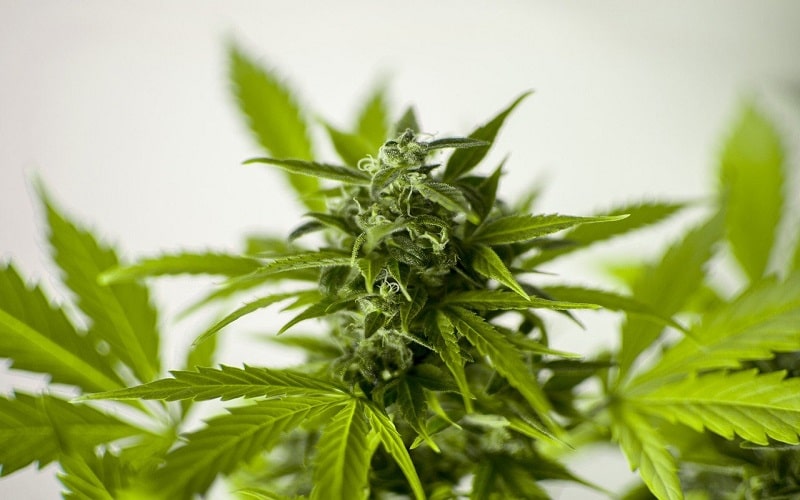
    Medical Marijuana: What You Should Know About It

    The primary goal of medical marijuana is to extract the active ingredient from the cannabis plant and use it to treat a wide range of illnesses and disorders, including cancer.

    Despite the fact that each state has its own medicinal marijuana regulations, its use is still illegal in most places. The majority of individuals nowadays use recreational marijuana. It can also be used to treat Lennox-Gastau syndrome, epilepsy, and Dravet syndrome, among other disorders. The only thing preventing more study into cannabis usage is the law, which compares it to LSD and heroin, both of which may be abused. You can get your hands on element earth CBD products and relive the original marijuana high. Let us now turn our attention to some background information on medical marijuana.

    What is Medical Marijuana?

    The main point of medical marijuana is to extract the substance of the cannabis plant and utilize it to treat a variety of ailments and disorders. It’s the same recreational marijuana product as before, but this time it’s for medical use. You should be aware that cannabis plants contain over 100 compounds known as cannabinoids. Each chemical has a distinct impact on your body. CBD and THC are the two most often used compounds in medicine. THC is the molecule that gives you a high when you smoke marijuana.

    What is Medical Marijuana’s Purpose?

    Medical marijuana has been shown in studies to help people recover from a variety of ailments. Cancer, lack of appetite, anorexia, epilepsy, multiple sclerosis, glaucoma, and a variety of other illnesses can all be treated with medicinal cannabis. However, as previously said, additional study is being conducted to identify the entire range of marijuana’s health advantages. Chemicals comparable to those released by your body for voluntary actions including movement, discomfort, and appetite have been discovered in cannabinoids. According to the study done so far, cannabinoids can be used in a variety of ways.

    It is totally up to you to determine how you will consume marijuana. Every approach, on the other hand, produces a different result. Vaporizing or smoking will allow you to enjoy the effects more quickly. If you decide to consume it, you may have to wait a little longer for the responses. It might take up to two hours for you to taste the edible cannabis. If you want to vape, you may choose from a variety of inhalable cannabis products to take your prescription.

    Are There Any Side Effects From Medical Marijuana?

    Cannabis can also impair your coordination and judgment, resulting in accidents and injuries. This is why marijuana use among teens is frowned upon. If you eat it before your brain is completely grown, it might impair your mental performance and IQ. Certain individuals believe it might hurt your lungs since it contains some compounds seen in cigarettes. However, it is unclear whether or not inhaling marijuana may cause bronchitis. THC levels beyond a certain threshold might lead to addiction. The higher the THC concentration, the more likely you are to get addicted to marijuana. When you wish to quit using it, you can run into some difficulties. Cravings are a possibility. But it’s all up to you. Of course, if you want to use marijuana for medical reasons, you will not abuse it.

    What Are Your Options for Getting Medical Marijuana?

    The first thing to remember is that you are not permitted to consume marijuana in states where it is illegal. Check your state regulations before you start looking for a place to get CBD to take your prescription. A formal referral is required to obtain medicinal cannabis. And not just any suggestion will suffice; it must come from a licensed physician. Not all doctors, however, will be willing to prescribe medicinal marijuana to you.

    Medical marijuana should be used only if you have a condition that qualifies you for it. Every state has its own list of illnesses that may need a medicinal cannabis prescription. Depending on where you live, you may be required to obtain a cannabis identification card. You can buy medicinal marijuana with the card. There are a number of websites where you can purchase marijuana products. The Element Earth CBD website has further information about marijuana products. Medical marijuana can be purchased from dispensaries in states where it is illegal to use cannabis.

    Concerns about safety

    Always follow the prescribed recommendations when taking medicinal marijuana. Dizziness, dry mouth, and blood pressure problems are some of the most frequent side effects of marijuana use. Marijuana has the effect of slightly altering your brain. With adults, however, this is not the case. Marijuana has no long-term effect on cognitive performance in adults or mature minds. Adults who used medical marijuana improved their functional abilities such as time management and concentration, according to research.

    Conclusion

    Although most people think of marijuana when they think of getting high, it may also be used for medical purposes. To believe this, you must live in a state where marijuana is legal. Marijuana may be used to treat a variety of ailments, including cancer and epilepsy. Medical marijuana is available for purchase at dispensaries in your area. You may also obtain it from a variety of internet sources.