
Buying a botanical product online should not feel like decoding a sales pitch.
Yet Salvia divinorum listings can be surprisingly difficult to compare. One seller may focus almost entirely on extract numbers. Another may offer dried leaves, live cuttings, and extracts on the same page without clearly explaining how those products differ. Some listings provide useful botanical information, while others rely heavily on words such as “premium”, “strongest” or “rare”.
For anyone researching salvia divinorum for sale, a better approach is to ignore the hype for a moment and evaluate the information that can actually be checked.
Quick Takeaway
A useful Salvia divinorum seller should make seven things easy to understand:
What to Check Why It Matters
Botanical identity Confirms the actual plant species
Product form Separates leaves, cuttings, and extracts
Clear strength information Gives extract labels useful context
Real product photos Helps verify what is being described
Packaging and storage Shows attention to product condition
Shipping and legal information Reduces surprises after ordering
Clear policies and contact details Makes the seller easier to evaluate
The best listing is not necessarily the one with the biggest number or the most dramatic wording. It is usually the one that answers the most practical questions before the buyer has to ask them.
1. Start With the Botanical Name
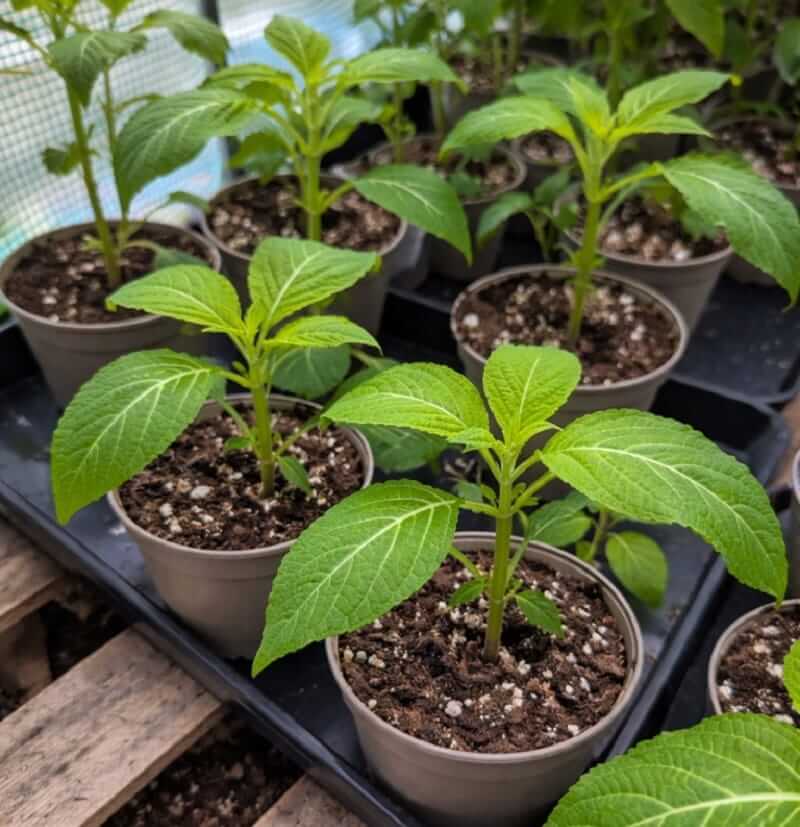
“Salvia” alone is not enough.
The genus Salvia contains many different species, including ordinary culinary and ornamental sages. A serious listing should clearly identify the product as Salvia divinorum rather than relying only on a shortened common name.
This matters because precise botanical identification is one of the simplest signs that a seller understands what it is listing.
Scientific work has also shown that Salvia divinorum can be distinguished from other Salvia species through chemical and genetic analysis, which reinforces why species-level identification matters.
For shoppers, the practical lesson is simple: know exactly which plant the listing describes before comparing anything else.
2. Identify the Product Form Before Comparing Prices
Two Salvia products can share the same botanical name while being completely different products.
Common listings may include:
live or rooted cuttings
dried leaves
powdered material
concentrated extracts
tincture-style preparations
A cutting should not be compared with dried leaf based only on price. Likewise, dried leaves and concentrated extracts should not be treated as interchangeable simply because they originate from the same species.
Before looking at cost, ask:
What exactly would arrive in the package?
A good product page should answer that question immediately.
3. Treat Extract Numbers as Information, Not the Entire Story
Extract labels such as ’10x’, ’20x’, ’40x’ or ‘100x’ that attract attention quickly.
However, the multiplier should not become the only quality measure.
A concentration label can help distinguish products within a seller’s range, but it does not by itself tell you:
how clearly the product was identified
whether the material is consistent
how it was packaged
How fresh it is
whether the seller explains its terminology
whether useful product information accompanies the number
That distinction matters because commercial extract labels are not the same thing as a universally standardized laboratory percentage.
When comparing extracts, use the multiplier as one part of the description, not a replacement for the rest of it.
4. Look at the Photos Like a Buyer, Not a Browser
Product photography is often overlooked.
A decorative image of green leaves may look attractive, but it tells you very little about the actual item being sold.
Useful photos should help answer questions such as:
Is this a whole dried leaf, a broken leaf, or powder?
Is the material clearly visible?
Does the package shown match the description?
Are live plants or cuttings shown clearly enough to assess their general condition?
Does the seller use real product photography or only generic stock imagery?
Photos cannot prove botanical identity or chemical composition. Still, they can make a listing considerably more transparent.
For live botanical material in particular, clear photographs also help buyers understand what the seller means by terms such as cutting, rooted plant or young plant.
5. Check Packaging and Storage Information
Good sellers think about what happens after the checkout page.
Dried botanical material generally needs sensible protection from excess moisture, direct light, and unnecessary heat. Live plants have an entirely different set of shipping concerns.
That means packaging information should change depending on the product.
For dried material, useful details might include whether the product is sealed and how it should be stored.
For live cuttings, shoppers should be able to find information about how plants are prepared for transit and what happens if shipping conditions cause problems.
The point is not that every seller needs a long packaging essay.
It is that a seller offering very different botanical products should show that it understands the differences between them.
6. Read the Shipping and Legal Information Before Ordering
This is especially important with Salvia divinorum because legal treatment is not uniform.
The U.S. Drug Enforcement Administration’s published resource guide states that Salvia divinorum and salvinorin A are not controlled under the federal Controlled Substances Act, while also noting that several individual states regulate Salvia.
That means a broad statement such as “legal everywhere” should be treated cautiously.
Regulations can also change.
Anyone planning to buy salvia divinorum online should therefore check the current rules that apply to the destination before placing an order.
A responsible seller should make location restrictions reasonably easy to find rather than hiding them until after payment.
Shipping information deserves the same attention.
Look for basic answers to questions such as:
Where does the seller ship?
Are live plants handled differently from dried products?
Is tracking available?
What happens if a parcel is damaged?
Are certain destinations excluded?
Clear logistics information makes a commercial page more useful even before a purchase is made.
7. Evaluate the Seller, Not Just the Product
A polished product page is only one part of the picture.
Before ordering from an unfamiliar botanical website, look around the rest of the site.
Useful trust signals include:
Clear contact information
There should be an obvious way to reach the seller if something goes wrong.
Product-specific descriptions
If every product uses nearly identical wording, the descriptions may not tell you much.
Understandable policies
Shipping, returns, order processing and legal restrictions should be written so an ordinary customer can understand them.
Consistency
Prices, product names, photos and descriptions should agree with one another across the site.
Educational information
A seller that explains the difference between product forms is generally more useful than one that simply lists dozens of products without context.
None of these signals alone proves that a seller is trustworthy. Together, they give you a better basis for comparison.
A Simple Two-Minute Seller Check
Before choosing between two websites, try this quick test.
Give each seller one point for every question you can answer easily:
Can I identify the exact botanical species?
Can I tell exactly which product form is being sold?
Is the package quantity obvious?
Are the photos actually useful?
Are extract labels explained rather than just advertised?
Can I find shipping information?
Can I find legal or location restrictions?
Can I find a clear way to contact the seller?
The score is not scientific.
Its value is that it forces you to compare information rather than advertising.
A website that answers seven or eight of those questions clearly is giving the buyer much more to work with than a site that answers only two.
What Should Make You Look Twice?
A few patterns deserve additional scrutiny:
unusually dramatic potency claims with little explanation
every product described as “the strongest”
no botanical species name
no visible quantity or package information
unclear or missing shipping policies
claims that the product is legal everywhere
stock photos replacing actual product images
no clear contact method
One red flag does not automatically prove that a seller is unreliable.
Several of them together are a good reason to continue researching.
FAQ
Is Salvia divinorum the same as cannabis?
No. They are different plants with different active compounds and should not be evaluated as though they were the same product.
Is the highest extract number automatically the best product?
No. An extract number describes a stated concentration category. It does not automatically establish overall product quality.
Why does botanical identification matter?
The Salvia genus contains many species. Using the full name Salvia divinorum reduces ambiguity about what the listing actually describes.
Should buyers check local laws before ordering?
Yes. Regulations differ between jurisdictions and can change, so current local rules should be checked before an order is placed.
Are product photos enough to verify quality?
No. Photos are useful for understanding appearance and product form, but they do not replace accurate identification, clear descriptions, or analytical information where available.
Final Thoughts
Online botanical shopping becomes much easier when you stop comparing slogans and start comparing information.
With Salvia divinorum, the most useful questions are straightforward: What species is this? What form am I buying? What does the seller actually explain? How is it packaged? Where can it be shipped? What happens if there is a problem?
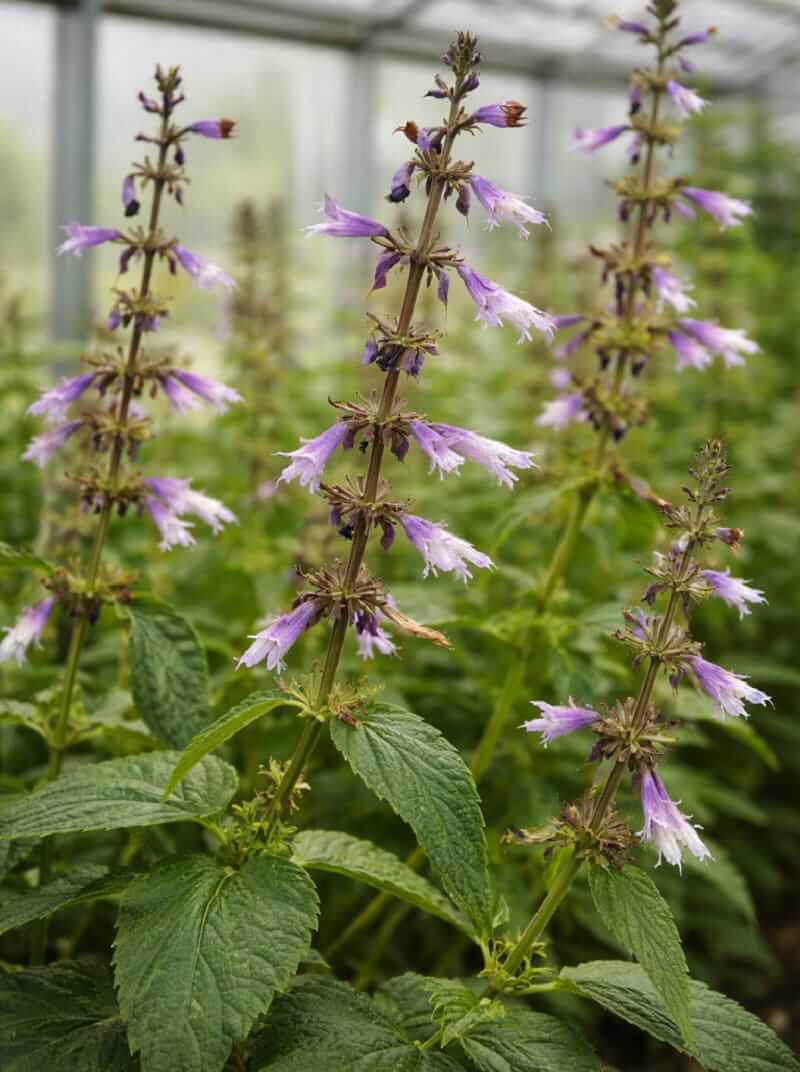
Those questions may seem less exciting than a large extract number or a bold “premium” label.
They are also far more useful.
A strong seller page should reduce uncertainty, explain its products clearly, and give buyers enough information to make their own informed decision.